How to Start Your Own Urban Farm Successfully
Urban farming is not just a trend; it’s a movement that empowers individuals to take control of their food sources while promoting sustainability and community engagement. Whether you live in a bustling city or a quiet suburb, starting your own urban farm can be a rewarding venture. This guide will walk you through the essential steps to establish a successful urban farm, from planning and site selection to planting and maintaining your crops.

Understanding Urban Farming
Urban farming refers to the practice of cultivating, processing, and distributing food in or around urban areas. It can take many forms, including community gardens, rooftop gardens, vertical farms, and backyard plots. The benefits of urban farming are numerous:
Fresh Produce: Access to fresh fruits and vegetables right at your doorstep.
Environmental Impact: Reduction in carbon footprint due to less transportation.
Community Building: Strengthening community ties through shared gardening efforts.
Educational Opportunities: Teaching others about sustainable practices and healthy eating.
Step 1: Research and Planning
Before you dig into the soil, it’s crucial to conduct thorough research and planning. Here are some key aspects to consider:
Identify Your Goals
What do you want to achieve with your urban farm? Your goals will shape your decisions moving forward. Consider the following:
Food Production: Are you aiming to grow enough food for personal consumption, or do you plan to sell your produce?
Community Engagement: Will your farm be a community project, or is it a personal endeavor?
Sustainability Practices: Are you interested in organic farming, permaculture, or hydroponics?
Assess Local Regulations
Check local zoning laws and regulations regarding urban farming. Some cities have specific guidelines about what can be grown and where. Understanding these rules will help you avoid potential legal issues down the line.
Choose Your Location
The location of your urban farm is critical. Consider the following factors:
Sunlight: Most vegetables require at least six hours of sunlight daily.
Water Access: Ensure you have a reliable water source for irrigation.
Soil Quality: Test the soil for contaminants and nutrient levels. You may need to amend it or use raised beds.
Step 2: Designing Your Urban Farm
Once you have a clear vision and location, it’s time to design your urban farm. Here are some tips to create an efficient layout:
Plan Your Garden Layout
Raised Beds: Consider using raised beds to improve drainage and soil quality.
Vertical Gardening: Utilize vertical space by growing climbing plants on trellises or walls.
Companion Planting: Research which plants grow well together to maximize space and deter pests.
Select Your Crops
Choose crops that are well-suited for your climate and soil conditions. Some popular options for urban farms include:
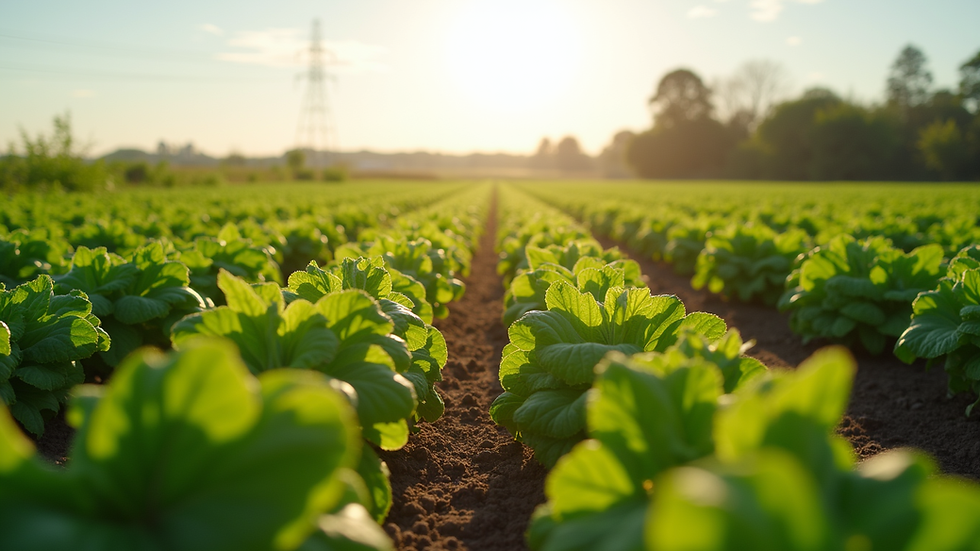
Leafy Greens: Spinach, kale, and lettuce are quick-growing and nutritious.
Herbs: Basil, cilantro, and parsley can thrive in small spaces.
Root Vegetables: Carrots, radishes, and beets can be grown in containers or raised beds.
Step 3: Preparing the Site
With your design in place, it’s time to prepare your site for planting. Follow these steps:
Clear the Area
Remove any debris, weeds, or unwanted plants from your chosen area. This will help prevent competition for nutrients and reduce pests.
Improve the Soil
If your soil quality is poor, consider adding organic matter such as compost or well-rotted manure. This will enhance soil fertility and structure.
Set Up Irrigation
Establish a reliable irrigation system. Options include:
Drip Irrigation: Efficient and conserves water.
Soaker Hoses: Ideal for raised beds and garden rows.
Hand Watering: A simple method for smaller gardens.
Step 4: Planting Your Crops
Now comes the exciting part—planting your crops! Here are some tips for successful planting:
Timing is Key
Pay attention to planting dates for your chosen crops. Some plants thrive in cool weather, while others prefer warmth. Use a planting calendar specific to your region.
Follow Planting Guidelines
Refer to seed packets or gardening resources for specific planting depths and spacing requirements. Proper spacing helps prevent overcrowding and promotes healthy growth.
Mulch for Moisture Retention
Applying a layer of mulch around your plants can help retain moisture, suppress weeds, and regulate soil temperature.
Step 5: Maintaining Your Urban Farm
Once your crops are in the ground, regular maintenance is essential for a thriving urban farm. Here are some key maintenance tasks:
Watering
Monitor your plants for signs of drought or overwatering. Most plants prefer deep, infrequent watering rather than shallow, frequent watering.
Pest Management
Keep an eye out for pests and diseases. Use organic methods such as:
Companion Planting: Certain plants can deter pests naturally.
Handpicking: Remove pests by hand when possible.
Natural Predators: Encourage beneficial insects like ladybugs and lacewings.
Fertilization
Feed your plants with organic fertilizers as needed. Compost tea or fish emulsion can provide essential nutrients without harmful chemicals.
Step 6: Harvesting and Enjoying Your Produce
After months of hard work, it’s time to enjoy the fruits of your labor. Here’s how to harvest effectively:
Know When to Harvest
Different crops have different signs of readiness. For example:
Leafy Greens: Harvest when leaves are young and tender.
Root Vegetables: Check for size; they should be firm and well-developed.
Fruits: Pick when they are fully colored and slightly soft to the touch.
Store and Preserve
Learn proper storage techniques to extend the life of your produce. Consider preserving excess harvest through canning, freezing, or drying.
Step 7: Engaging with the Community
Urban farming can be a community effort. Here are ways to engage with others:
Host Workshops
Share your knowledge by hosting workshops on gardening techniques, composting, or cooking with fresh produce.
Collaborate with Neighbors
Consider starting a community garden or partnering with local schools to teach children about gardening and healthy eating.
Participate in Local Markets
If you have surplus produce, consider selling it at local farmers' markets. This not only supports your farm but also connects you with the community.
Conclusion
Starting your own urban farm is a fulfilling journey that can lead to a healthier lifestyle and a stronger community. By following these steps—researching, planning, designing, planting, maintaining, and engaging—you can create a successful urban farm that thrives in your unique environment. Remember, the key to success lies in patience, persistence, and a willingness to learn. So grab your gardening tools and get started on your urban farming adventure today!

Comments