Top 10 Sustainable Farming Practices for Modern Agriculture
Sustainable farming is no longer just a trend; it has become a necessity in the face of climate change, dwindling resources, and the need for food security. As the global population continues to rise, the demand for food increases, putting pressure on our agricultural systems. Sustainable farming practices not only help in conserving the environment but also ensure that farming remains viable for future generations. In this post, we will explore the top 10 sustainable farming practices that modern agriculture can adopt to create a more resilient and eco-friendly food system.
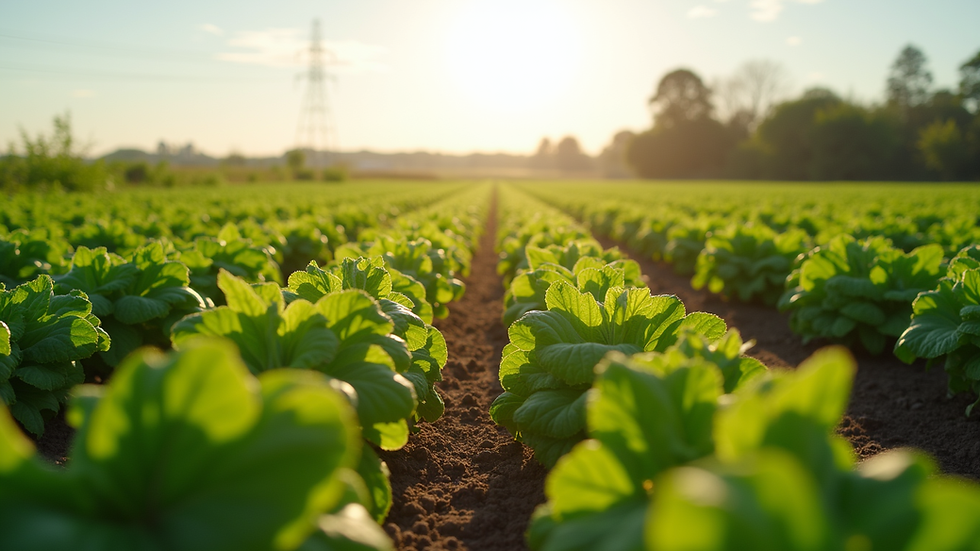
1. Crop Rotation
Crop rotation is the practice of alternating the types of crops grown in a particular area across seasons. This method helps in maintaining soil fertility, reducing pest and disease cycles, and improving crop yields. For example, rotating legumes with cereals can enhance nitrogen levels in the soil, benefiting subsequent crops.
Benefits of Crop Rotation:
Soil Health: Enhances soil structure and fertility.
Pest Control: Disrupts the life cycles of pests and diseases.
Biodiversity: Promotes a diverse ecosystem.
2. Cover Cropping
Cover crops are planted during the off-season to cover the soil and prevent erosion. These crops can improve soil health, enhance water retention, and suppress weeds. Common cover crops include clover, rye, and vetch.
Advantages of Cover Cropping:
Erosion Prevention: Protects soil from wind and water erosion.
Nutrient Cycling: Adds organic matter and nutrients back into the soil.
Weed Suppression: Competes with weeds for resources.
3. Integrated Pest Management (IPM)
Integrated Pest Management is a holistic approach to managing pests that combines biological, cultural, physical, and chemical tools. By using IPM, farmers can reduce reliance on chemical pesticides, which can harm beneficial insects and the environment.
Key Components of IPM:
Monitoring: Regularly check for pest populations.
Biological Control: Use natural predators to manage pests.
Cultural Practices: Implement practices that reduce pest establishment.
4. Agroforestry
Agroforestry integrates trees and shrubs into agricultural landscapes, creating a more diverse and productive system. This practice can enhance biodiversity, improve soil health, and provide additional income sources through timber or fruit production.
Benefits of Agroforestry:
Biodiversity Enhancement: Supports a variety of species.
Soil Improvement: Trees contribute to soil fertility and structure.
Microclimate Regulation: Trees provide shade and reduce temperature extremes.
5. Conservation Tillage
Conservation tillage involves minimal soil disturbance, which helps maintain soil structure and health. This practice can reduce erosion, improve water retention, and enhance soil organic matter.
Types of Conservation Tillage:
No-till: Seeds are planted directly into undisturbed soil.
Reduced till: Limited tillage is used to prepare the seedbed.
6. Organic Farming
Organic farming avoids synthetic fertilizers and pesticides, focusing instead on natural inputs and sustainable practices. This method promotes biodiversity, improves soil health, and reduces pollution.
Principles of Organic Farming:
Soil Fertility: Use of compost and organic matter.
Biodiversity: Encouraging a diverse range of crops and livestock.
Natural Pest Control: Utilizing beneficial insects and organic pesticides.
7. Water Management
Efficient water management is crucial for sustainable farming, especially in areas prone to drought. Techniques such as drip irrigation, rainwater harvesting, and soil moisture monitoring can help optimize water use.
Effective Water Management Practices:
Drip Irrigation: Delivers water directly to the plant roots.
Rainwater Harvesting: Collects and stores rainwater for irrigation.
Soil Moisture Sensors: Monitors soil moisture levels for efficient watering.
8. Permaculture
Permaculture is a design philosophy that seeks to create sustainable and self-sufficient agricultural systems. It emphasizes working with nature rather than against it, promoting biodiversity and resilience.
Key Principles of Permaculture:
Observe and Interact: Understand the natural environment before making changes.
Use and Value Renewable Resources: Focus on sustainable resources.
Design from Patterns to Details: Start with the big picture and refine it.
9. Sustainable Livestock Management
Sustainable livestock management practices focus on animal welfare, environmental stewardship, and economic viability. This includes rotational grazing, which allows pastures to recover and reduces overgrazing.
Benefits of Sustainable Livestock Practices:
Soil Health: Manure adds nutrients to the soil.
Biodiversity: Mixed grazing can enhance pasture diversity.
Animal Welfare: Promotes healthier and happier livestock.
10. Community Supported Agriculture (CSA)
Community Supported Agriculture connects farmers directly with consumers, allowing them to share the risks and rewards of farming. This model supports local economies and encourages sustainable practices.
Advantages of CSA:
Local Food Systems: Reduces transportation emissions.
Consumer Engagement: Builds relationships between farmers and consumers.
Financial Stability: Provides farmers with upfront capital.
Conclusion
Adopting sustainable farming practices is essential for the future of agriculture. By implementing methods such as crop rotation, cover cropping, and integrated pest management, farmers can enhance productivity while protecting the environment. As consumers, we can support these practices by choosing local and sustainably produced food. Together, we can create a resilient agricultural system that benefits both people and the planet.
By embracing these sustainable practices, we can ensure that agriculture not only meets today’s needs but also safeguards resources for future generations. Let’s take action now to support sustainable farming and contribute to a healthier planet.


Comments